Trust as Infrastructure

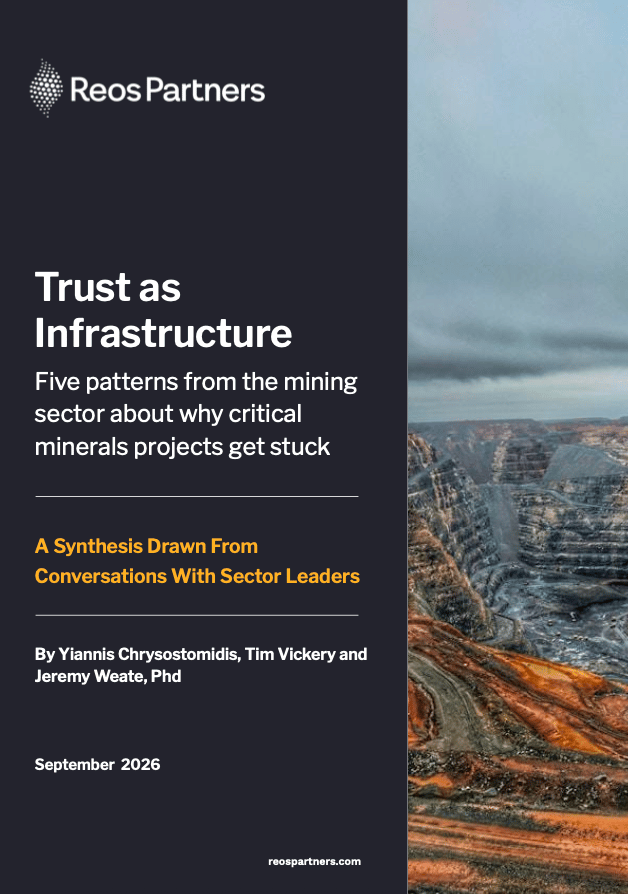
This blog is a brief summary of “Trust As Infrastructure: Five Patterns From the Mining Sector About Why Critical Minerals Projects Get Stuck”. The full synthesis will be published in October 2026.

An exploration company holds the licence in the early 2010s, drills the deposit, proves its grade, and makes a series of local commitments along the way, including a contribution to a school and a road improvement (some but not all of these commitments are kept). The exploration team rotates through, and in 2018, the asset is sold to a mid-tier operator. Of course, the geological data transfers in full, but the relational data does not transfer beyond what a few retained people remember, and most of those people have left by the time the asset changes hands.

Frame 395

Trust as Infrastructure

Demand for critical minerals over the next two decades is projected to exceed any historical precedent, yet projects continue to get stuck, and the recurring cause is not geology or engineering. They often stall over the relationships and the trust around them, which the sector still treats as peripheral when, in practice, they are more like infrastructure, i.e. something that can be designed for, invested in, maintained, and rebuilt where it has been damaged.

The Black Systemic Safety Fund

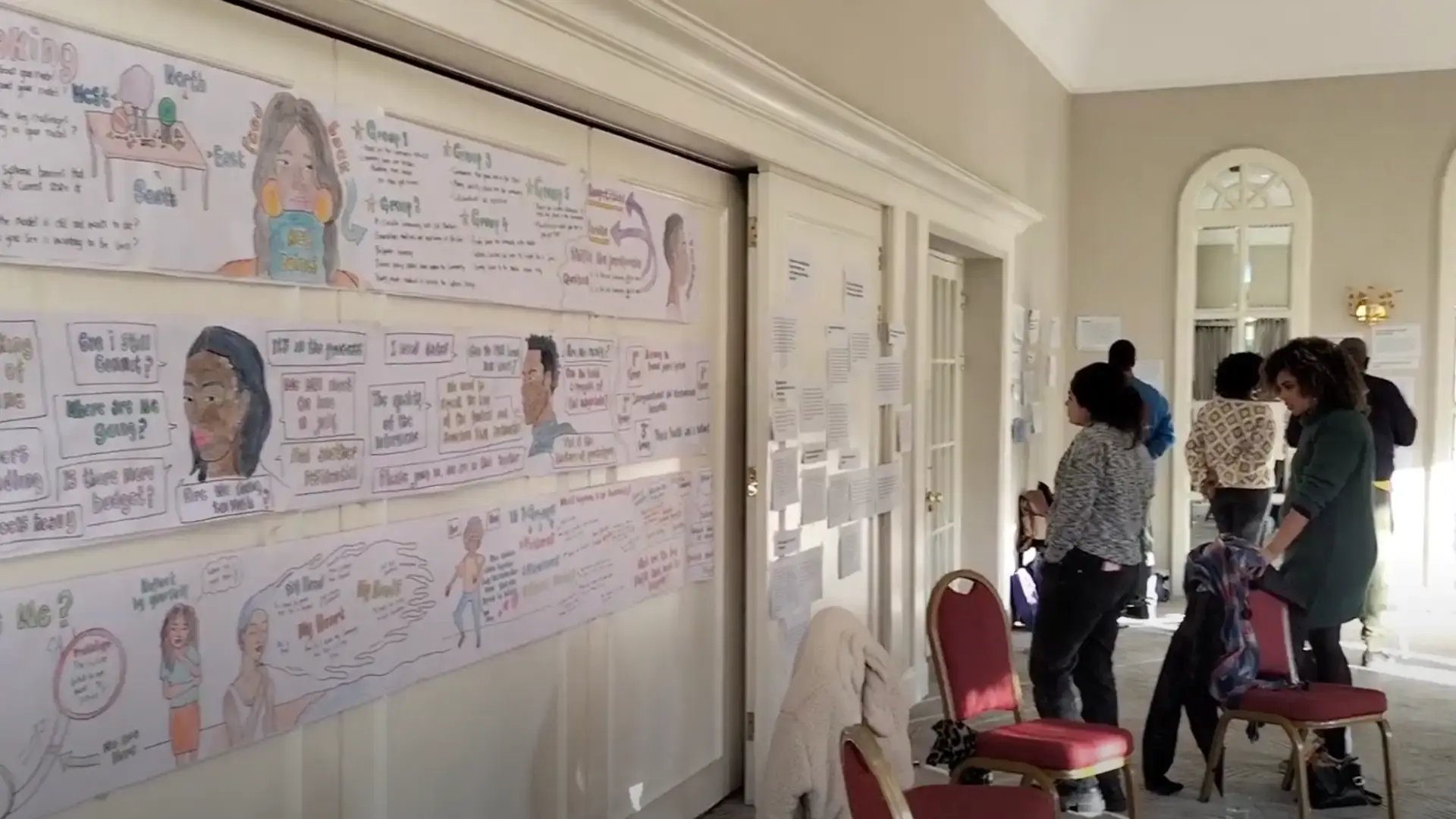
Learn about how Reos Partners facilitated a unique social labs process that explored participatory grantmaking with Black communities in the UK.

Lessons on designing and implementing systems change initiatives

Learn five key lessons for driving impactful systems change initiatives. Discover how to engage varied perspectives, create new narratives, recognise hidden actors, leverage network weavers, and embrace intergenerational wisdom.

The power of partnerships: Collaborating for climate solutions

Learn how collaborating with Reos Partners helps GEAPP, a climate action alliance, make progress on ambitious sustainability initiatives.

Shifts to enable transformative collaboration for systems change

Complex societal challenges call for transformative collaboration. Explore seven mental, emotional, and process shifts to enable transformative collaboration for systems change.

Transformative scenarios: Centering the future to enable dialogue across differences

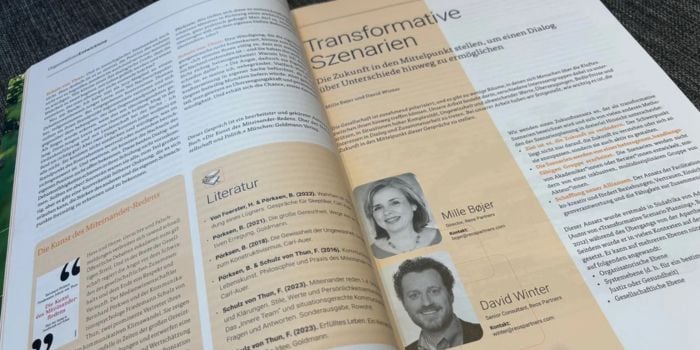
Discover how transformative scenarios work can be applied at organisational, system, and societal level, and why conversation about the future is so effective for enabling dialogue that results in deeper insights.

Using business as a force for good

Our North America team members reflect on how their work contributes to positive social change.