
Transforming the Africa–Europe Relationship

This piece draws on a longer publication, “Walking Together Differently: Transforming the Africa–Europe Relationship, which explores in depth what it will take to shift how Africa and Europe work together.

Here, the focus is on one aspect of that broader reflection: the gap between the language of partnership and how the relationship is currently experienced in practice, and why addressing that gap matters for building more credible, reciprocal, and effective collaboration between the two continents.

Frame 395

What Will It Take To Transform the Africa–Europe Relationship?

Grounded in two decades of facilitating multi-stakeholder engagement across Africa and Europe, Mahmood Sonday, Mille Bøjer, and Ellen Sow explore why the Africa–Europe partnership is important, what is holding it back and what it will take to transform it — offering practical insights for policymakers, practitioners, and leaders working at the Africa–Europe interface.

Camp Snowball—A Systemic Approach to Educational Improvement

Reos Partners is pleased to be working with the Systems Thinking in Schools Project, the Creative Learning Exchange, the SoL Education Partnership, and the Cloud Institute on two initiatives: Partners

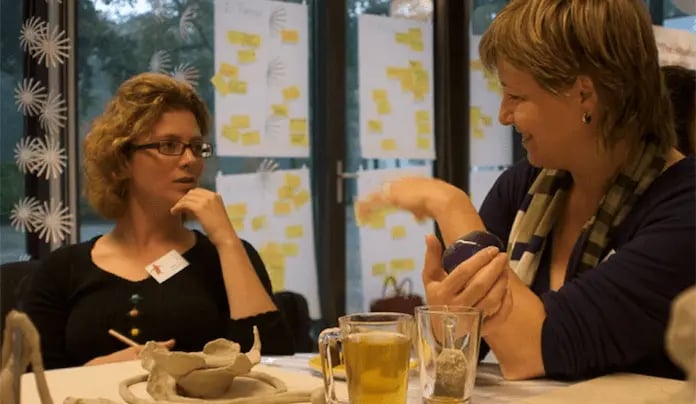
Finding new solutions for complex social challenges in the Netherlands

Discover how we partnered with social housing organisations, universities, and NGOs to create innovative approaches to complex social issues.

Scenarios of Rural South Africa

Scenarios of Rural South Africa: An Exercise Convened by an International Philanthropic Organisation

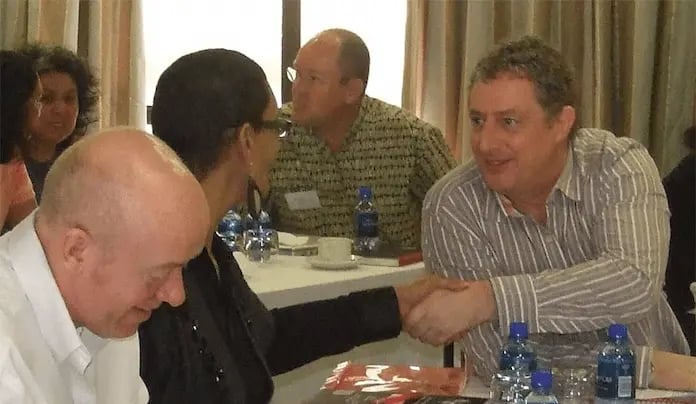
Scenarios for Immigrants, Migrants, and Refugees in South Africa

Many countries around the world confront the complex issue of immigrant, migrant, and refugee rights. As economies battle, GDP declines, and employment drops, anti-immigrant sentiment often rises.

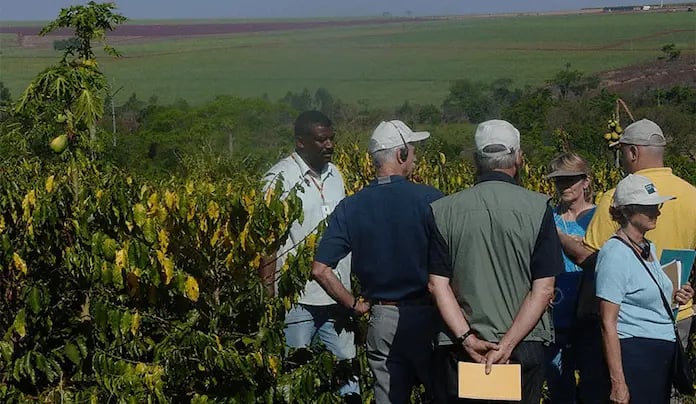
The Sustainable Food Lab: Eight Years and Counting

Learn how the Sustainable Food Lab continued to evolve, eight years after its creation, to be a unique, long-term, systemic intervention in food systems.

Laboratories for Social Change: Towards a Theory of Systemic Action

CURRENT APPROACHES TO ADDRESSING COMPLEX SOCIAL CHALLENGES ARE NOT WORKING. There is much to celebrate in terms of the number of people involved in change initiatives, in the increasing amounts