
Transforming the Africa–Europe Relationship

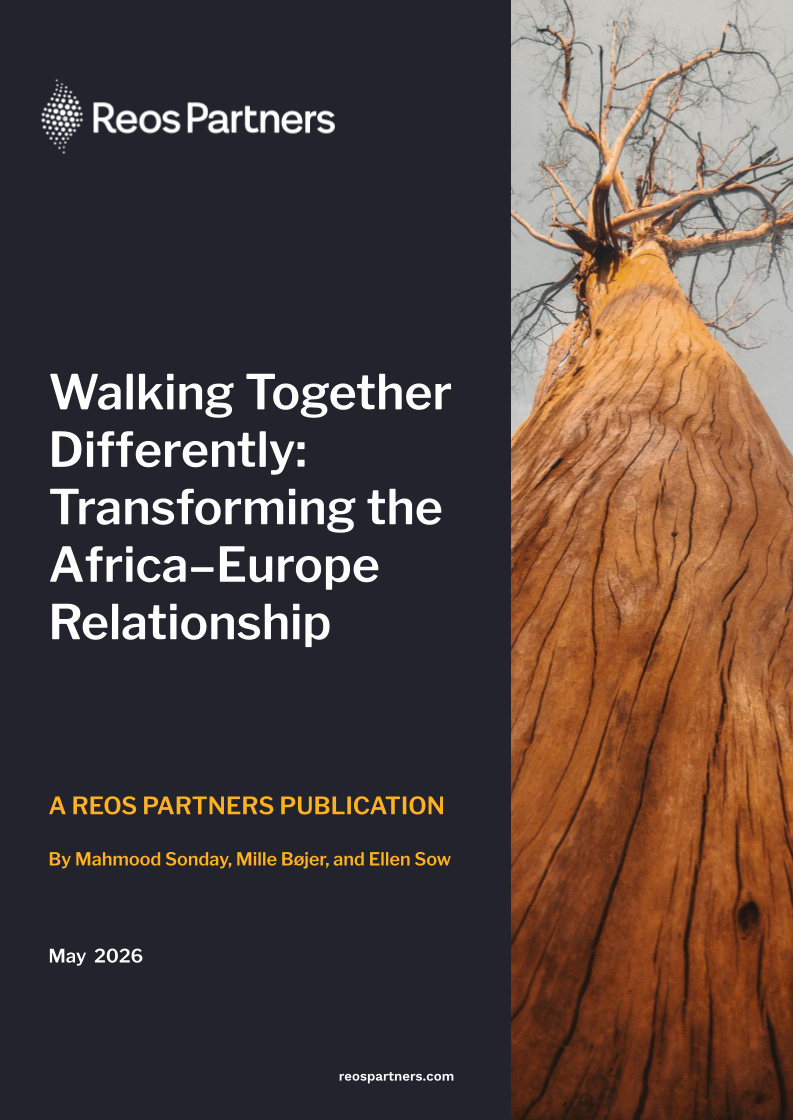
This piece draws on a longer publication, “Walking Together Differently: Transforming the Africa–Europe Relationship, which explores in depth what it will take to shift how Africa and Europe work together.

Here, the focus is on one aspect of that broader reflection: the gap between the language of partnership and how the relationship is currently experienced in practice, and why addressing that gap matters for building more credible, reciprocal, and effective collaboration between the two continents.

Frame 395

What Will It Take To Transform the Africa–Europe Relationship?

Grounded in two decades of facilitating multi-stakeholder engagement across Africa and Europe, Mahmood Sonday, Mille Bøjer, and Ellen Sow explore why the Africa–Europe partnership is important, what is holding it back and what it will take to transform it — offering practical insights for policymakers, practitioners, and leaders working at the Africa–Europe interface.

Strategic pathways for ocean sustainability: learnings from Covid-19

Explore the impact of Covid-19 on ocean sustainability and discover strategies for a more sustainable future.

Collaborating for Equitable Education in Brazil during the pandemic

Learn more about our work with The Lemann Foundation towards equitable education in Brazil.

The power of collaboration and technology to support college students

Discover how collaboration and technology are transforming the college experience for students by helping them overcome barriers to graduation.

The Power of Transformative Facilitation

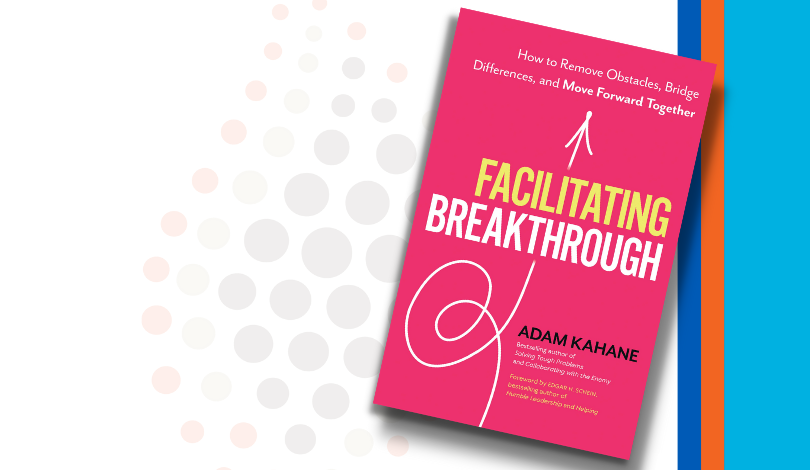
Is collaboration extinct? It doesn’t have to be. Learn more about Adam Kahane’s book: Facilitating Breakthrough.

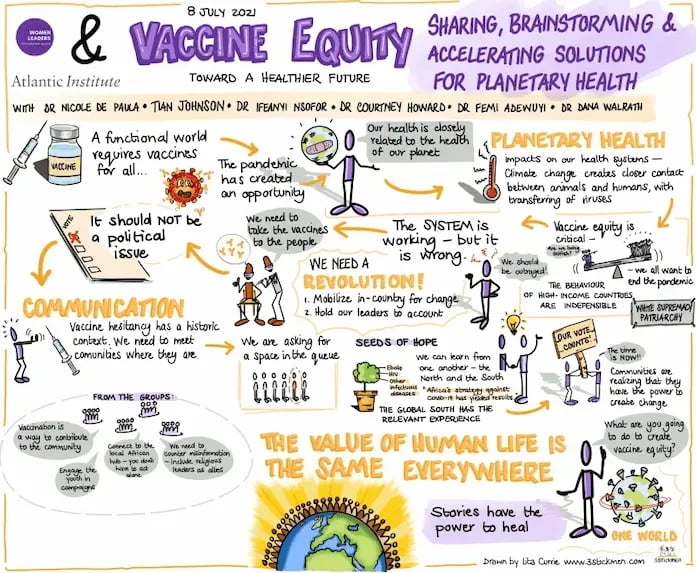
From Ideation to Action: Collectively Exploring Covid-19 Vaccine Inequity Across the World

Atlantic Institute invited Reos Partners to help a group of concerned Atlantic Fellows explore the issue of vaccine equity around the world.

Addressing inequalities to end HIV and AIDS

Learn how UNAIDS and Reos Partners are working together to end inequalities and create access to life-saving services for all.